
Dental Implant Procedure and Success Rate Explained
See how the dental implant procedure works, from preparation and extraction to bone grafting and healing, plus who qualifies and the 98% success rate.

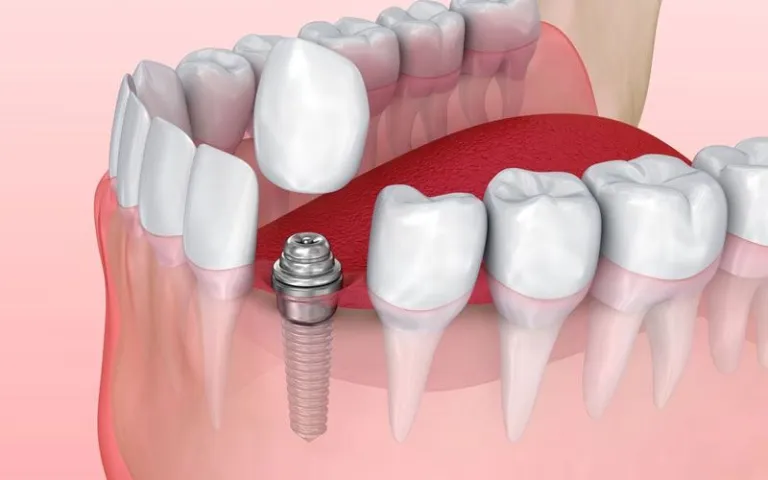
Most people usually choose dentures when they want to replace missing or lost teeth. Now, though, you have an alternative dental treatment to choose from, namely the dental implant procedure. In an implant procedure, a titanium screw is placed in the jawbone, where it takes the place of the tooth root and anchors the replacement tooth. A dental implant can be described as a planted tooth. The implant is usually placed in the lower or upper jawbone and then fuses with the bone over several months.
Success Rate of Dental Implants
The success rate of dental implants actually varies, depending on where in the jaw the implant is placed. In general, a tooth implant procedure has a 98% success rate. With proper care, an implant can last a lifetime.
Who Can Get a Dental Implant
In most cases, anyone without a history of certain diseases can have this procedure. Patients must have strong, healthy bone and gums to hold the implant. You are also required to keep your teeth and mouth clean and see the dentist for regular visits.
Patients with chronic conditions, such as heart disease or diabetes, and heavy smokers must be evaluated before an implant is placed. If you are considering an implant, consult your dentist to find out whether it is the right solution for you.
Dental Implant Procedure
Several methods are used for implants, from preparation to the procedure itself. So how is an implant done? Here is a rundown:
-
Preparation
During planning and consultation, the dental surgeon usually examines the mouth and teeth first with an oral X-ray, a CT scan or a panoramic film. At this stage the quantity and quality of the jawbone are assessed to see whether more bone is needed at the implant site.
Read also: The Best Dental Facilities & Treatments at a Specialist Dental Clinic
-
Tooth Extraction
Once it is determined that the implant can be placed in the desired area, the patient returns for the next procedure. During implant surgery, the patient is usually given a local anesthetic to numb the surgical site, along with any sedative needed for comfort. The first step of the surgery usually involves extracting a tooth. The site that will receive the implant often still holds the remains of a damaged tooth.
-
Bone Grafting
Next, a bone graft is placed to reach the base of the bone for the implant. This stage requires 2 weeks to 6 months of healing. Where bone has been lost and there are no teeth, a different bone graft is needed, placed on top of the jawbone. This procedure usually needs more than six months to heal.
-
Healing Phase
A temporary denture can be made to replace the lost tooth during the healing phase. Healing time depends on the quality of the bone itself and usually ranges from 2 to 6 months. During that time, the implant integrates with the bone.
Those are the dental implant procedures you should know about when you plan to replace a tooth root with an implant.
Read Also: How to Care for Dental Implants to Keep Them Strong & Healthy