How to Care for Dental Implants So They Stay Strong and Healthy
Dental implant care mirrors natural tooth care: clean daily, see your dentist every 6 months and limit sugary foods. Here is what to do at home.

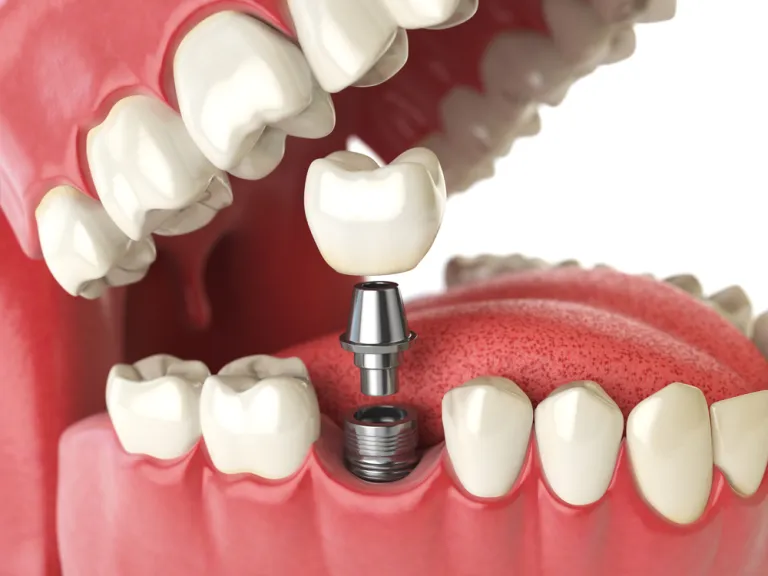
Dental implants are stronger than natural teeth and cannot get cavities. Even so, you still need to look after them the way you look after your teeth if you want them to last. Dental implant care is basically the same as tooth care: clean them regularly and see your dentist every 6 months. Here are the steps you can follow at home.
- Clean your teeth at least twice a day, especially after meals.
Use an ordinary toothpaste, one with no whitening or brightening claims, because that kind of toothpaste usually contains fairly harsh ingredients that can wear away the outer layer of the implant prosthesis. Choose a soft toothbrush that can remove plaque from the inner surfaces of your teeth, but whose bristles will not hurt your gums. Use dental floss to clear food debris from the gaps between teeth that a regular toothbrush cannot reach. Do not forget to rinse with mouthwash so your mouth stays clean and fresh.
Visit: Affordable dental implants
- See the dentist every 6 months
Dental implants need regular checkups to see how they affect the health of your teeth and mouth. The dentist also needs to check the condition of the implant itself. Checking an implant can actually be done every 3 years, but it is better to visit the dentist every 6 months because you still have natural teeth whose health needs to be checked.
- Avoid foods high in sugar
Dental implants cannot get cavities, but plaque can still stick to them. Foods that contain high sugar levels tend to cause more plaque to build up, which can affect the health of your gums. Besides, high-sugar foods are not good for your overall health either, because they can lead to problems such as diabetes and obesity.
That is how to care for dental implants. After implant surgery, it is best to ask your dentist whether the implants need any special care. By keeping your mouth and teeth hygienic, you can lower the risk of infection in the area around the dental implant.
Read also: The Best Dental Facilities & Treatments at a Specialist Dental Clinic