How to Raise Organic Free-Range Chickens: 3 Key Practices
Learn how to raise organic free-range chickens: pick strong chicks, build a warm coop with a roaming area and feed organic ingredients for healthier meat.

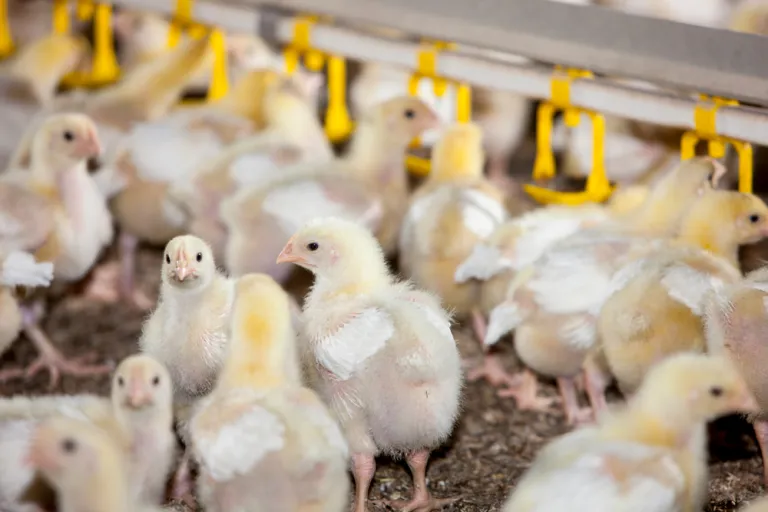
Free-range native chickens (ayam kampung) have a stronger immune system than other types of chicken. Many people in villages keep them both as pets and as a source of income. Back when barter was still common, villagers traded these chickens for other goods such as rice and vegetables. Today they are no longer kept only as pets: people turn them into a business. A newer farming approach has recently appeared for raising them, which is organic farming, and organically raised free-range chicken is believed to be healthier than what came before.
Techniques for Raising Organic Free-Range Chickens
The high selling price of free-range chicken has drawn more people to raise it. Although the bird already has a healthy reputation, organically raised chicken has even healthier meat, because it contains fewer chemicals and less fat. Organic methods are not limited to vegetables and fruit; livestock can be raised organically too. Here are the techniques you can use to raise organic free-range chickens:
Quality Chicks
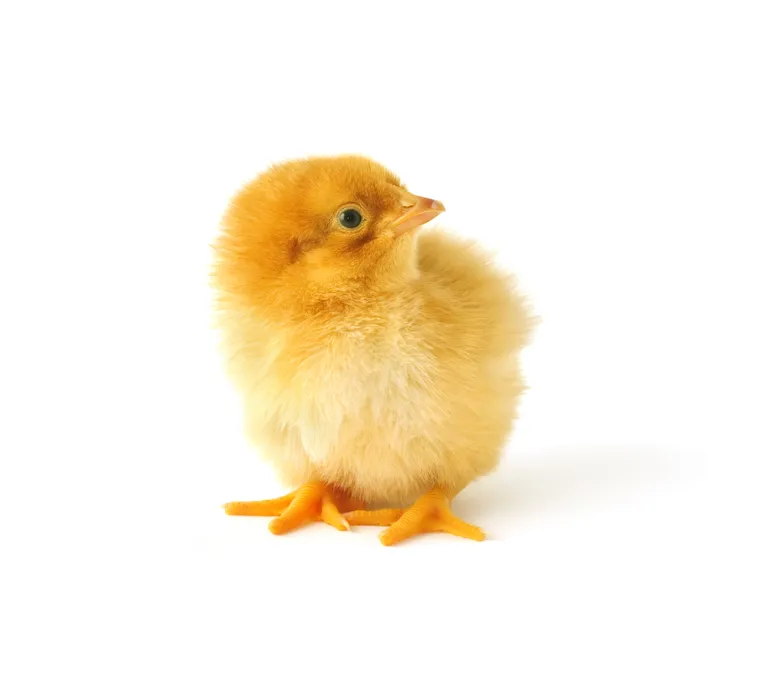
The first technique is choosing quality chicks. Good breeding stock is one of the secrets to success in raising chickens, so it is important to pick strong free-range chicks. The signs of quality chicks are eggs that hatch on time, no physical defects, bright and shining eyes, a sturdy and agile body, a healthy and fit bird, and clean, glossy feathers.
Also read: Buy chicken feed for the best and most profitable farm results
The Coop
The coop is a key point in farming that you must not forget. Raising free-range chickens is different from raising broilers. For free-range chickens, the ideal coop comes with a roaming area (umbaran). The birds spend more time roaming in that area than inside the coop. Without space to roam, free-range chickens become unhealthy and catch diseases easily. Besides the roaming area, you also need a coop where the chickens sleep at night. It should be warm, with straw laid inside.
Also read 3 Things to Avoid When Caring for Broiler Day-Old Chicks
Building the coop also takes some technical care. Build it away from residential areas. If you keep the chickens in a village, at the very least keep the coop away from your neighbors' houses to avoid unwanted problems. You also need to know how to set up a proper coop for day-old chicks (DOC): the temperature inside must be warm, with lamp light so the chicks do not get cold. The thin feathers of day-old chicks leave them prone to illness.
Organic vs. Conventional Chicken Farming
You may well be wondering how the organic method differs from the conventional one. The difference lies in the feed. For organic chickens, the feed is regular chicken feed mixed with organic ingredients such as papaya leaves and others. Because the birds are fed organically, this method is called organic chicken farming. The chickens receive no chemical additives, so eating organically raised chicken is healthier. Day-old chicks can be given organic flour, which is much healthier.
Also read 5 Advantages of a Modern Layer Chicken Coop
Raising chickens organically makes the meat much healthier. The opportunity in organic free-range chicken is still very large, so as a business it has strong potential, because many people want it.