
How to Follow a Glycemic Index Diet for Every Age Group
Follow a glycemic index diet by choosing low-GI foods to steady blood sugar and energy. Get practical steps and tips for children, adults and older adults.

Contents
In the modern era, awareness of the importance of a healthy diet keeps growing. One approach that has drawn wide attention is a diet based on the glycemic index (GI). This diet is relevant not only for people with diabetes but for the general public of all ages. By understanding how food affects blood sugar levels, we can design an eating pattern that supports metabolic health, controls weight and helps prevent a range of chronic diseases. This article takes an in-depth look at how to apply a glycemic index diet, backed by research and citations from reputable sources.
What Is the Glycemic Index?
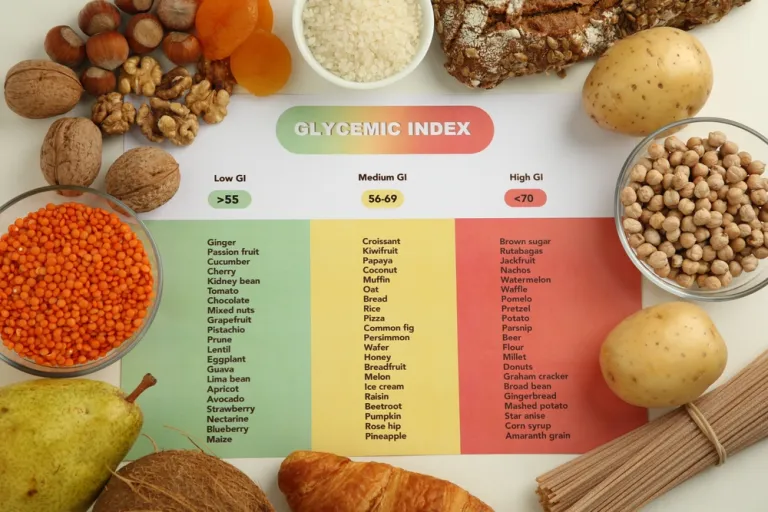
The glycemic index is a measurement system that rates how quickly the carbohydrates in a food raise blood glucose levels. The GI scale usually runs from 0 to 100. Foods with a high number (such as white bread or french fries) tend to cause a quick spike in blood sugar, while foods with a low number (such as whole grains, vegetables and some fruits) produce a slower, steadier rise.
According to the Harvard School of Public Health (2018), “The glycemic index is an important tool for assessing the effect of food on blood sugar levels, which in turn affect energy, metabolism and heart health.” Understanding GI therefore lets us choose foods that support stable blood sugar.
Benefits of the Glycemic Index Diet
Following a low-GI diet brings a number of significant health benefits, including:
-
Controlling Blood Sugar Levels:
Low-GI foods help prevent sudden blood sugar spikes, which makes them especially useful for people with diabetes and for anyone who wants to prevent type 2 diabetes from developing. Research published in the American Journal of Clinical Nutrition (2015) showed that eating low-GI foods can improve insulin sensitivity and lower the risk of insulin resistance. -
Managing Weight:
Low-GI foods keep you full longer, which helps cut the urge to snack excessively. A study from the American Diabetes Association (2021) found that a low-GI diet contributes to more effective weight management, because it helps regulate appetite and reduce excess calorie intake. -
Improving Heart Health:
Repeated blood sugar spikes can cause inflammation and damage to the walls of blood vessels. By keeping blood sugar stable, a low-GI diet also supports cardiovascular health and lowers the risk of heart disease (Harvard Health Publishing, 2018).
How to Apply the Glycemic Index Diet at Every Age
A glycemic index diet can be followed by different age groups, but it needs to be adjusted to each group's nutritional needs. Here is the approach for each age group:
Children and Teenagers
During growth, children and teenagers need enough energy and nutrients to support physical and mental development. Although their calorie needs are high, choosing low-GI carbohydrate sources is still important to keep energy steady through the day.
Tips for Children and Teenagers:
- Choose Complex Carbohydrates: Swap white rice for brown rice or quinoa, and white bread for whole wheat bread.
- Combine with Protein and Healthy Fats: For example, add avocado, nuts or yogurt with no added sugar.
According to the journal Nutrisi Indonesia (2020), “A low-glycemic-index diet for children and teenagers must be adjusted to their energy and growth needs, while still ensuring a balanced nutrient intake.”
Adults
For adults, a low-GI diet can be an effective strategy for keeping energy steady and preventing excess fat buildup.
Tips for Adults:
- Plan Your Daily Menu: Make a meal schedule that includes low-GI foods at every meal.
- Watch Your Portions: Although low-GI foods tend to be healthy, portions still matter so calorie intake does not run too high.
- Physical Activity: Combine healthy eating with regular exercise for the best results.
Studies show that portion control and the combination of macronutrients in a low-GI diet can help reduce the risk of metabolic disease (American Diabetes Association, 2021).
Older Adults
In older age, metabolism slows and nutritional needs change. A low-GI diet can help with the blood sugar fluctuations that are common in older adults and support heart health.
Tips for Older Adults:
- Focus on Fiber: Eat leafy greens, fruit and whole grains to keep digestion healthy and blood sugar under control.
- Healthy Snacks: Choose snacks such as nuts or cut fruit over processed foods.
- Nutrition Consultation: Always talk through your diet with a nutritionist to make sure your vitamin and mineral needs are met.
According to Harvard Health Publishing (2018), “A low glycemic index diet in older adults helps keep energy stable and prevents age-related health complications.”
READ ALSO: Healthy High-Fiber Snacks for Better Digestion
Practical Steps to Apply the Glycemic Index Diet
To fit a GI diet into daily life, here are practical steps you can follow:
-
Know Your Food Sources:
Learn lists of foods by their GI values. Many reliable sources provide glycemic index tables so you can pick the right foods. For example, apples and pears are in the low-GI category, while white bread and french fries have a high GI. -
Read Food Labels:
Check the nutrition information on packaging. Although not every product lists a GI value, also look at the amount of fiber, sugar and total carbohydrates to judge the quality of the food. -
Plan Your Daily Menu:
Make a weekly meal plan that includes low-GI foods. Combine complex carbohydrates with protein sources (such as fish, chicken or tofu) and healthy fats (olive oil or avocado) to create the best balance.
“Combining fiber, protein and healthy fats in one serving can lower the glycemic effect of the food eaten,” explained a study in The American Journal of Clinical Nutrition (2015). -
Experiment with New Recipes:
Do not be afraid to try new recipes that put low-GI ingredients first. Many chefs and nutritionists have developed recipes that are not only delicious but also friendly to blood sugar. -
Monitor Your Body's Response:
Everyone has a different metabolic response to food. Keep a record, or even take random blood sugar measurements, to see how your body reacts to changes in your eating pattern. This matters so you can adjust the menu to your personal needs. -
Consult a Professional:
Before making major changes to your diet, it is wise to talk to a nutritionist or doctor, especially if you have a particular health condition.
Challenges and Solutions
Although a glycemic index diet offers many benefits, there are some challenges you may face:
-
Food Availability:
In some areas, low-GI foods may not be easy to find. The solution is to look for local alternatives with a low GI value, such as various tubers or fresh vegetables. -
Eating Habits:
Changing your diet takes time and adjustment. Education about the long-term benefits of a low-GI diet can help change eating habits gradually.
“Education and public awareness are the key to success in applying a low glycemic index diet,” said Harvard Health Publishing (2018). -
Taste Preferences:
Many people are used to the sweetness and certain textures of processed, high-carbohydrate foods. Creating appealing, tasty recipes with natural ingredients can overcome this barrier.
Case Studies and Experience
Various studies and clinical experience have shown the effectiveness of a low-GI diet. One example is a diet program applied to type 2 diabetes patients that significantly lowered their HbA1c levels in just a few months. Patients reported more energy, weight loss and better overall health.
This success story is evidence that, with proper planning, a low-GI diet can be used not only as a prevention strategy but also as an integral part of disease management therapy.
Conclusion
Following a glycemic index diet is an effective strategy for keeping blood sugar stable, controlling weight and supporting heart health. With a solid understanding of what the glycemic index is and how food affects the body, everyone, from children and adults to older adults, can use this approach to reach optimal health.
Practical steps such as knowing your food sources, reading labels, planning menus and experimenting with new recipes can help fit a low-GI diet into daily life. Although there are challenges, education and consistency are the key to success with this diet.
In closing, remember that every individual has unique nutritional needs. That is why talking to a nutritionist or doctor is strongly recommended before making significant changes to your diet. With the right approach and solid knowledge, the glycemic index diet can become the foundation of a healthy lifestyle and disease prevention at every age.
References:
- Harvard School of Public Health. (2018). The Nutrition Source: Glycemic Index. Harvard T.H. Chan School of Public Health.
- American Diabetes Association. (2021). Glycemic Index and Diabetes. ADA.
- Nutrisi Indonesia. (2020). Pengaruh Diet Rendah Indeks Glikemik terhadap Kesehatan Metabolik [The Effect of a Low Glycemic Index Diet on Metabolic Health].
- The American Journal of Clinical Nutrition. (2015). Effects of Low-GI Diet on Insulin Sensitivity and Metabolic Control.
With consistent understanding and practice, the glycemic index diet can help us achieve a better quality of life and serve as a long-term health investment for every generation.