Healthy Breakfast for Heart Health: Why It Matters
A healthy breakfast for heart health starts with the right foods. See the research, 10 breakfast ideas and the risks of skipping the first meal.

A healthy breakfast is a morning meal with a balanced mix of nutrients that gives you energy, keeps your metabolism in balance and supports the body's functions. A good breakfast should include complex carbohydrates, lean protein, healthy fats, fiber, and vitamins and minerals that help protect the heart, digestion and immune system.
Many people treat breakfast as just a morning meal, but a healthy breakfast is more than filling the stomach. It can help stabilize blood sugar, improve concentration and lower the risk of chronic diseases such as obesity, diabetes and heart disease.
Contents
This article takes an in-depth look at why a healthy breakfast matters for heart health, backed by a range of research and scientific literature.
The Link Between Breakfast and Heart Health
Research shows that skipping breakfast can raise the risk of heart disease. A study published in the Journal of the American College of Cardiology found that people who never ate breakfast had up to an 87% higher risk of death from cardiovascular disease than those who ate breakfast every day. The study followed 6,550 adults aged 40 to 75 over 18 years.
Breakfast plays a very important role in heart health. Many studies show that a healthy breakfast habit can help reduce the risk of cardiovascular disease, while skipping breakfast is linked to higher blood pressure, high cholesterol, obesity and other metabolic problems.
In recent decades, epidemiological studies have shown that people who eat breakfast regularly have healthier eating patterns, better metabolism and a lower risk of heart disease than those who often skip it.
How Breakfast Protects the Heart
A healthy breakfast plays an important part in protecting the heart because it helps regulate metabolism, control blood sugar and keep blood lipids in balance. Here are the main ways breakfast can protect heart health:
1. Stabilizing Blood Sugar
Skipping breakfast can make blood sugar drop sharply in the morning, which then triggers cravings for sugary foods or simple carbohydrates later in the day. The blood sugar spikes that follow can raise the risk of insulin resistance, one of the main factors behind heart disease and type 2 diabetes. A healthy breakfast, especially one with fiber and protein, helps keep blood sugar steady all day.
2. Reducing Inflammation in the Body
Chronic inflammation is a major risk factor for heart disease. Studies show that people who skip breakfast tend to have higher levels of inflammation than those who eat it regularly. This is linked to the metabolic stress of fasting too long (after a night's sleep) without enough nutrients in the morning. A healthy breakfast with antioxidants, such as fruit and whole grains, can help reduce oxidative stress and inflammation in the body.
3. Helping Lower "Bad" Cholesterol (LDL)
A healthy breakfast rich in fiber, such as oatmeal or whole wheat bread, can help lower the level of "bad" cholesterol (LDL) in the blood. The soluble fiber in these foods binds cholesterol and carries it out through the digestive system, which prevents plaque from building up in the arteries and causing atherosclerosis.
4. Regulating Blood Pressure
Skipping breakfast has been linked to a higher risk of hypertension. A study published in the Journal of Hypertension showed that people who do not eat breakfast have higher blood pressure than those who eat it regularly. A breakfast containing potassium (for example, bananas and avocados) and low in sodium can help balance blood pressure, lower the risk of hypertension and protect the heart.
5. Preventing Plaque Buildup in the Arteries
When someone skips breakfast, the body responds by producing more stress hormones such as cortisol, which can cause inflammation and narrowing of the blood vessels. If this happens repeatedly, the risk of plaque forming in the arteries goes up. By eating a healthy breakfast rich in good fats, such as nuts and chia seeds, the blood vessels stay more elastic and the risk of blockages can be reduced.
6. Helping With Weight Management
Excess weight and obesity are major risk factors for heart disease. A healthy breakfast helps control appetite throughout the day and prevents overeating at lunch and dinner. Eating foods rich in protein and fiber at breakfast keeps you full for longer, which can help maintain an ideal weight and reduce the risk of cardiovascular disease.
7. Keeping the Circadian Rhythm and Metabolism on Track
Breakfast helps regulate the body's circadian rhythm, which plays a part in metabolism and hormone balance. When someone eats breakfast regularly, the metabolic system processes fats and sugars more effectively, which lowers the risk of metabolic syndrome, a condition closely tied to heart disease.
What a Heart-Healthy Breakfast Contains
Choosing the right breakfast composition is very important for heart health. A healthy breakfast should combine nutrients that help control cholesterol, blood pressure and blood sugar, and reduce inflammation in the body. Here are the main components of a breakfast that is good for the heart:
1. Complex Carbohydrates Rich in Fiber
Complex carbohydrates give steady energy and contain fiber that helps lower "bad" cholesterol (LDL). Soluble fiber binds cholesterol in the digestive tract and removes it from the body before it is absorbed into the blood.
Best choices:
- Oatmeal (contains beta-glucan, which lowers cholesterol)
- Whole wheat or whole grain bread
- Quinoa or brown rice
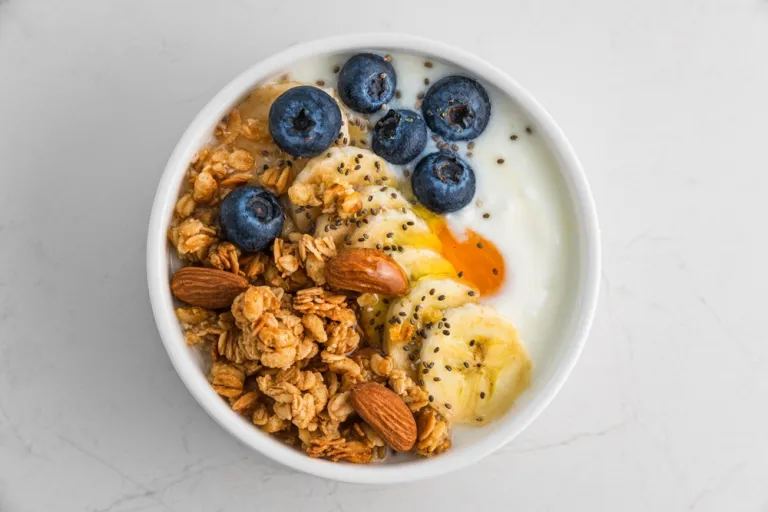
- Low-sugar granola rich in whole grains
- High-fiber cereal with no added sugar
2. Lean Protein
Protein is essential for building and repairing body tissue. But choose protein carefully, because some sources are high in saturated fat, which can raise cholesterol. Pick proteins low in saturated fat to support heart health.
Best choices:
- Boiled eggs, or scrambled eggs made without butter
- Low-fat Greek yogurt
- Tofu or tempeh (plant protein sources rich in isoflavones)
- Salmon or tuna (rich in omega-3, which is good for the heart)
- Low-fat milk or plant-based milk (almond, oat or soy)
3. Healthy Fats (Unsaturated Fats)
Healthy fats are very important for heart health because they help raise "good" cholesterol (HDL) and reduce the inflammation that can lead to heart disease.
Best choices:
- Avocado (rich in monounsaturated fat)
- Nuts (almonds, kenari nuts, cashews and walnuts)
- Seeds (chia seeds, flaxseeds and pumpkin seeds)
- Extra virgin olive oil (can be added to salads or toast)
- Natural peanut butter with no added sugar or trans fat
4. Fruits Rich in Antioxidants
Fruit contains fiber, vitamins, minerals and antioxidants that help protect the heart from free radical damage.
Best choices:
- Berries (strawberries, blueberries, raspberries): contain flavonoids that are good for the heart
- Bananas: rich in potassium, which helps lower blood pressure
- Oranges: high in vitamin C and soluble fiber
- Apples: contain pectin, which helps lower cholesterol
- Papaya and mango: rich in beta-carotene and vitamin C
5. Heart-Healthy Drinks
What you drink at breakfast also matters for heart health. Avoid drinks high in sugar, such as sweet tea and coffee with a lot of creamer.
Best choices:
- Water: keeps the body hydrated and blood circulation working well
- Green tea: contains catechins, which help lower cholesterol
- Green smoothie: a mix of leafy greens and fruit for extra antioxidants
- Natural fruit juice with no added sugar
6. Avoid Foods That Are Bad for the Heart
Besides choosing healthy foods, it is also important to avoid foods that can raise the risk of heart disease:
🚫 White bread and high-sugar cereal
🚫 Processed meat (sausage, bacon, nuggets)
🚫 Fried foods and foods high in trans fat
🚫 Full-cream milk and products high in saturated fat
🚫 Coffee with a lot of sugar and creamer
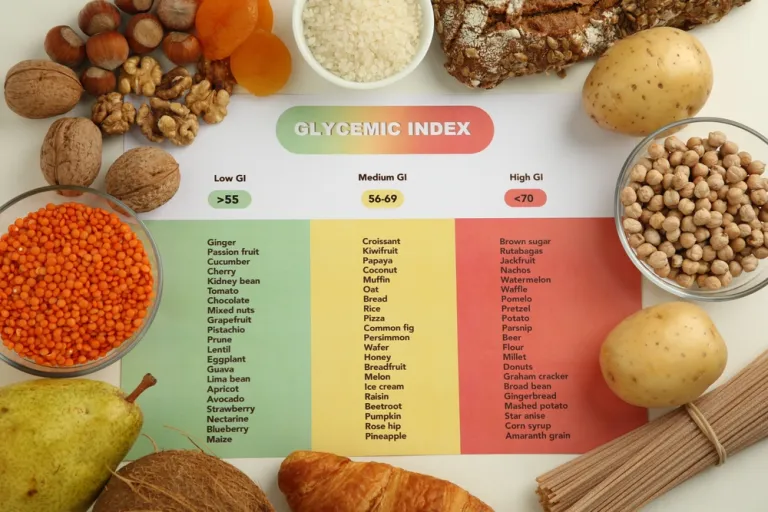
READ ALSO: How to Follow a Glycemic Index Diet at Any Age
Sample Healthy Breakfast Menus for the Heart
- Oatmeal topped with almonds, blueberries and honey + a glass of green tea
- Whole wheat toast with avocado and a boiled egg + unsweetened orange juice
- Smoothie of spinach, banana and almond milk + low-sugar granola
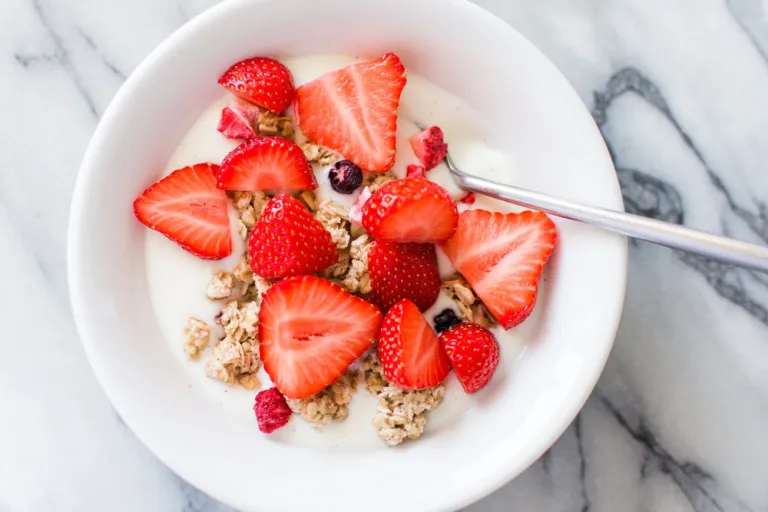
- Greek yogurt with sliced strawberries and chia seeds + toasted whole wheat bread
- Baked salmon with quinoa and leafy greens + water
The Effects of Skipping Breakfast on Heart Health
Breakfast is an important habit that many people overlook. Yet scientific research has shown that skipping breakfast can harm heart health. The habit is linked to a higher risk of cardiovascular disease, metabolic disorders and high blood pressure. Here are some of the main effects of skipping breakfast on the heart:
1. Higher Risk of Coronary Heart Disease
Several studies show that people who skip breakfast have a higher risk of coronary heart disease. A study published in the Journal of the American College of Cardiology found that men who did not eat breakfast had a 27% higher risk of heart disease than those who ate it regularly. This happens because skipping breakfast can cause spikes in blood sugar and blood pressure that contribute to plaque formation in the arteries.
2. Higher Risk of Hypertension
Hypertension, or high blood pressure, is one of the main risk factors for heart disease. Skipping breakfast can raise stress hormones such as cortisol, which pushes blood pressure up. Without breakfast, the body also experiences an imbalance in blood sugar, which can affect blood vessel function and raise blood pressure overall.
3. Disrupted Blood Cholesterol Levels
Skipping breakfast can raise "bad" cholesterol (LDL) and lower "good" cholesterol (HDL). High LDL and low HDL can lead to plaque buildup in the arteries, which risks causing atherosclerosis (narrowing of the blood vessels). A study from the American Heart Association found that people who did not eat breakfast had higher total cholesterol than those who ate it regularly.
4. Higher Risk of Insulin Resistance and Diabetes
Skipping breakfast can cause sharp swings in blood sugar, which over the long term can lead to insulin resistance and a higher risk of type 2 diabetes. Diabetes is one of the main factors that raise the risk of heart disease because it can cause chronic inflammation and damage to blood vessels.
5. Weight Gain and Obesity
People who often skip breakfast tend to gain weight in an unhealthy way. Without breakfast, the body feels hungrier later in the day, which leads to eating too much high-calorie food. Obesity is a major risk factor for heart disease because it can cause high blood pressure, inflammation and metabolic disorders.
6. Chronic Inflammation
Skipping breakfast is also linked to more inflammation in the body. Chronic inflammation can damage artery walls and raise the risk of cardiovascular disease. Irregular eating patterns cause metabolic stress that triggers the production of pro-inflammatory cytokines, which play a part in atherosclerosis and other blood vessel problems.
7. Impaired Blood Vessel Function (Endothelial Dysfunction)
Blood vessel function, or endothelial function, is very important for keeping the heart healthy. Skipping breakfast has been linked to impaired endothelial function, which can lead to narrowing of the blood vessels and a higher risk of high blood pressure and heart attack.
8. Disrupted Circadian Rhythm and Metabolic Stress
Breakfast helps keep the body's circadian rhythm balanced. Skipping it disrupts the natural rhythm of metabolism and can cause hormonal disturbances that affect heart health. A body that gets no nutrients in the morning experiences a spike in cortisol, which can raise blood pressure and blood sugar significantly.
9. Higher Risk of Stroke
A study from the Japan Circulation Journal found that people who do not eat breakfast have a higher risk of stroke. This is because skipping breakfast can cause a sudden rise in blood pressure, which over the long term raises the risk of ischemic stroke caused by a blocked blood vessel in the brain.
10. Lower Daily Energy and Productivity
Although it is not directly related to heart health, skipping breakfast can also leave the body feeling weak, unfocused and less productive. This can affect a person's lifestyle, including less physical activity, which contributes to a higher risk of heart disease.
READ ALSO: High-Fiber Healthy Snacks for Better Digestion
Case Studies: How Breakfast Affects Heart Health
Many scientific studies have examined how breakfast affects heart health across different populations. The results show that breakfast habits are closely correlated with cardiovascular risk factors, including blood pressure, cholesterol levels and insulin resistance. Here are several case studies showing how breakfast affects heart health in different groups:
1. A Study in the United States: Breakfast and Coronary Heart Disease Risk
A study by the Harvard School of Public Health, published in Circulation Journal (2013), followed more than 26,902 men for 16 years. It found that those who often skipped breakfast had a 27% higher risk of a heart attack or death from coronary heart disease than those who ate breakfast regularly.
Key findings:
- People who skip breakfast tend to develop obesity, type 2 diabetes and hypertension, all of which raise the risk of heart disease.
- They are also more likely to have higher LDL cholesterol and unstable insulin levels.
- Skipping breakfast is linked to less healthy eating patterns throughout the day, such as eating too much high-fat and high-sugar food.
2. A Study in Japan: Breakfast and Stroke Risk
A study by the Japan Circulation Journal (2016) followed 82,772 Japanese adults for more than 15 years. It found that people who do not eat breakfast have a higher risk of stroke and high blood pressure than those who eat it regularly.
Key findings:
- People who skip breakfast had up to a 36% higher risk of stroke, especially ischemic stroke caused by blocked blood vessels.
- Skipping breakfast was linked to higher blood pressure, which can lead to atherosclerosis (hardening of the arteries) over the long term.
- People who eat breakfast regularly had steadier blood pressure and a lower risk of hypertension.
3. A Study in Spain: Breakfast and Subclinical Atherosclerosis
A study in Spain published in the Journal of the American College of Cardiology (2017) examined the link between breakfast habits and blood vessel health in 4,052 adults. It found that those who skipped breakfast or ate only a small amount had a higher risk of subclinical atherosclerosis (blocked arteries that show no symptoms).
Key findings:
- People who skipped breakfast had more plaque in their arteries than those who ate a large, healthy breakfast.
- Skipping breakfast was linked to poorer metabolism and higher levels of inflammation, which raise the risk of cardiovascular disease.
- Eating a breakfast rich in fiber, healthy protein and good fats was linked to better cardiovascular condition.
4. A Study in Brazil: Breakfast and Metabolic Syndrome
A study in Brazil (2020) of 5,500 adults found that skipping breakfast was directly linked to metabolic syndrome, a condition that raises the risk of heart disease, diabetes and stroke.
Key findings:
- People who did not eat breakfast had higher rates of abdominal obesity, which is linked to a greater risk of heart disease.
- Skipping breakfast was also linked to higher triglyceride levels and lower HDL ("good" cholesterol).
- People who ate a breakfast with balanced nutrition had better insulin sensitivity and lower levels of inflammation.
5. A Study in the United Kingdom: Breakfast and Cardiovascular Health in Teenagers
A study in the United Kingdom published in the European Journal of Clinical Nutrition (2018) examined 1,800 teenagers and found that those who skipped breakfast were more likely to have high blood pressure and unhealthy cholesterol levels.
Key findings:
- Teenagers who did not eat breakfast had higher LDL cholesterol than those who did.
- They also had a higher risk of obesity, a major risk factor for heart disease in adulthood.
- A healthy breakfast habit from an early age can help reduce the risk of cardiovascular disease in the future.
Healthy Breakfast Recommendations for Heart Health
A healthy breakfast can help protect the heart by controlling cholesterol, blood pressure and blood sugar. For the greatest benefit, breakfast should contain fiber, lean protein, healthy fats and antioxidants that support heart function. Here are some healthy breakfast recommendations that are good for the heart:
1. Oatmeal With Fruit and Nuts
Benefits:
- Oatmeal is rich in beta-glucan, a soluble fiber that helps lower "bad" LDL cholesterol.
- Berries contain flavonoid antioxidants that can reduce inflammation and the risk of heart disease.
- Almonds and walnuts contain healthy fats that help keep blood vessels elastic.
How to make it:
- ½ cup oatmeal (cooked with water or plant-based milk)
- Add 1 tablespoon of chia seeds or flaxseeds
- Toppings: blueberries, strawberries or banana
- Add a handful of almonds or walnuts for extra protein
2. Antioxidant-Rich Green Smoothie
Benefits:
- Leafy greens such as spinach or kale are rich in magnesium and potassium, which help lower blood pressure.
- Avocado contains monounsaturated fat, which is good for heart health.
- Chia seeds contain omega-3 fatty acids, which help reduce inflammation in the blood vessels.
How to make it:
- 1 cup spinach or kale
- ½ avocado
- 1 banana as a natural sweetener
- 1 tablespoon of chia seeds
- 1 cup almond or oat milk
3. Whole Wheat Toast With Avocado and a Boiled Egg
Benefits:
- Whole wheat bread is high in fiber, which helps lower cholesterol.
- Avocado is rich in monounsaturated fat, which is good for heart health.
- Boiled eggs provide high-quality protein, plus choline, which is good for fat metabolism.
How to make it:
- Toast 1 to 2 slices of whole wheat bread
- Spread with mashed avocado
- Top with a boiled egg, a little black pepper and sesame seeds
4. Greek Yogurt With Fruit and Seeds
Benefits:
- Low-fat Greek yogurt is rich in probiotics, which help balance the gut microbiota and reduce inflammation.
- Berries are high in antioxidants that protect the heart from oxidative stress.
- Flaxseeds and chia seeds contain omega-3 fatty acids that help keep the heart healthy.
How to make it:
- 1 cup low-fat Greek yogurt
- Add 1 tablespoon of flaxseeds or chia seeds
- Add fresh fruit pieces such as strawberries, blueberries or kiwi
5. Low-Sugar Homemade Granola
Benefits:
- Homemade granola is healthier because, unlike packaged granola, it has no added sugar.
- Nuts such as almonds and walnuts contain healthy fats that lower the risk of heart disease.
- Oats provide fiber that helps keep cholesterol levels steady.
How to make it:
- Mix rolled oats, almonds, chia seeds and pumpkin seeds
- Add a little honey or maple syrup as a natural sweetener
- Bake in the oven until crisp
6. Chia Pudding With Almond Milk and Honey
Benefits:
- Chia seeds contain soluble fiber that helps control blood sugar and cholesterol.
- Almond milk is a source of calcium and vitamin E, which are good for blood vessel health.
- Honey, as a natural sweetener, has anti-inflammatory properties that benefit the heart.
How to make it:
- 3 tablespoons of chia seeds
- 1 cup almond milk
- 1 teaspoon honey
- Leave in the refrigerator overnight and serve with fresh fruit pieces
7. Omelet With Vegetables and Olive Oil
Benefits:
- Eggs contain high-quality protein, plus healthy fats that are good for the heart.
- Vegetables such as spinach and bell peppers are rich in potassium and magnesium, which help control blood pressure.
- Olive oil contains monounsaturated fat, which helps lower "bad" cholesterol (LDL).
How to make it:
- Beat 2 eggs with a little salt and pepper
- Saute spinach and bell peppers in a little olive oil
- Pour in the eggs and cook a healthy, delicious omelet
8. Whole Wheat Pancakes With Honey and Almonds
Benefits:
- Whole wheat flour is high in fiber, which is good for digestion and heart health.
- Almonds contain healthy fats that help lower cholesterol.
- Honey, as a natural sweetener, has anti-inflammatory properties.
How to make it:
- Mix whole wheat flour, 1 egg and almond milk
- Cook in a nonstick pan without excess oil
- Serve topped with almonds and honey
9. Orange and Carrot Juice With Ginger
Benefits:
- Oranges contain vitamin C, which helps improve blood vessel elasticity.
- Carrots are rich in beta-carotene, which helps lower cholesterol.
- Ginger has anti-inflammatory properties that can help reduce the risk of hypertension.
How to make it:
- Blend 1 carrot, 1 orange and a piece of ginger
- Add a little water and ice cubes for extra freshness
10. Fruit Salad With Nuts and Honey
Benefits:
- Fruit is rich in vitamins and antioxidants that protect the heart from oxidative stress.
- Almonds and walnuts provide healthy fats that help keep cholesterol in balance.
- Honey, as a natural sweetener, helps reduce inflammation in the body.
How to make it:
- Mix pieces of apple, strawberry, grape and banana
- Add a handful of almonds or walnuts
- Serve with a little honey as a natural sweetener
Conclusion
A healthy breakfast is not just a daily habit. It is a long-term investment in heart health and overall well-being. By choosing foods with balanced nutrition and avoiding foods high in saturated fat and added sugar, we can keep the heart working well, reduce the risk of cardiovascular disease and improve our quality of life overall.
A simple habit like eating a healthy breakfast every morning can have a big effect on long-term health. That is why it is important to make breakfast a priority in a healthy lifestyle and to make sure the food we eat contains the nutrients needed to keep metabolism and heart function in balance.
Starting today, let's make a healthy breakfast a habit and treat this small step as part of the journey toward a healthier, fitter life!