ERP Vendor: A Smart Way to Manage Company Resources
An integrated ERP vendor solution helps optimize operations, raise efficiency and manage real-time data. See the vendor's role, strategies and benefits.

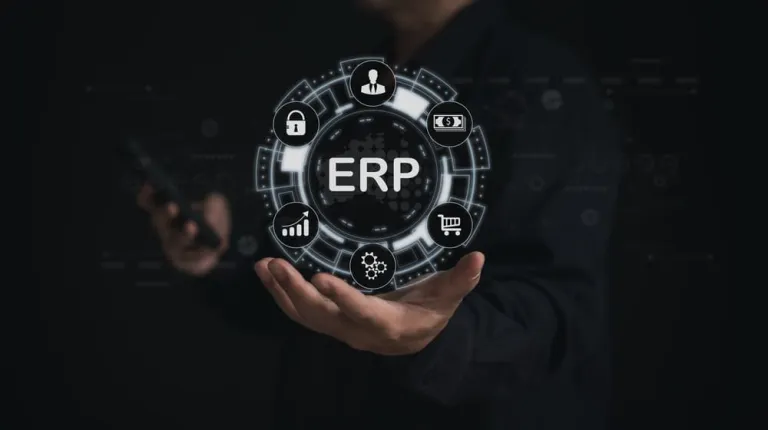
In the digital era, companies are expected to manage their resources more intelligently and efficiently to stay competitive. One key to reaching that goal is implementing an Enterprise Resource Planning (ERP) system. ERP is an integrated system that brings many business functions and processes together on a single platform.
With the support of a trusted ERP vendor, a company can optimize how it manages resources, from finance and production to human resources, and improve the user experience in every aspect of operations. This article takes an in-depth look at how an ERP vendor can be a smart solution for managing company resources, along with the strategies involved and the benefits they bring.
Contents
What ERP Is and What It Offers
An ERP system is software designed to integrate all of a company's data and business processes in one unified system. With ERP, a company can remove information silos and create more efficient workflows. Some of the main benefits of implementing ERP include:
- Data Integration: ERP brings together data from departments such as finance, production, logistics and HR, which makes analysis and real-time decision-making easier.
- Operational Efficiency: Automating business processes reduces reliance on manual work, which lowers the risk of errors and raises productivity.
- Process Transparency: Centralized data lets management monitor operational performance more accurately and spot the areas that need improvement.
- Cost Savings: With more efficient processes and less duplicated work, a company can save on operating costs over the long term.
The Role of an ERP Vendor in Digital Transformation
An ERP vendor is not just a software provider. It is a strategic partner that helps a company at every stage of its digital transformation. Here are some of the important roles an ERP vendor plays in managing company resources:
1. Provider of Integrated Solutions
An ERP vendor supplies solutions that can integrate the many systems and processes inside a company. With an integrated ERP system, data from sales, inventory, finance and HR can be gathered on one platform. This integration makes information available in real time, which is essential for fast, accurate decisions.
2. System Customization and Scalability
Every company has its own characteristics and operational needs. A trusted ERP vendor usually offers solutions that can be customized to a company's specific requirements. A scalable system also means the ERP can grow with the company, adapting to changes and business growth without a full system replacement.
3. A Better User Experience
User experience (UX) is an important part of any ERP implementation. A reliable ERP vendor provides an intuitive, easy-to-use interface that makes it simpler for employees to operate the system. With good UX, training goes faster and employees adopt the system more readily, which in turn affects productivity and job satisfaction.
4. Support and After-Sales Service
An ERP implementation does not end when the system is installed. A professional ERP vendor provides ongoing technical support and after-sales services such as training, consulting and system updates. These services are vital to keeping the ERP system running at its best and able to adapt to technology changes and shifting business needs.
5. Data Security and Compliance
When managing resources, data security cannot be neglected. An ERP vendor provides advanced security systems to protect company data from cyber threats. Compliance with standards and regulations is also closely maintained, so a company can run its operations with peace of mind.
Strategies for Optimizing Resource Management With ERP
To get the most out of ERP in resource management, a company needs to apply several key strategies together with its ERP vendor. Here are the strategies it can apply:
An In-Depth Analysis of Business Needs
The first step in an ERP implementation is a close analysis of all business processes. The company should identify the weak points in its existing workflows and decide which areas need better efficiency. With a deep understanding of its business needs, it can choose the ERP solution that fits best.
Choosing the Right ERP Vendor
Choosing the right ERP vendor is the foundation of a successful implementation. Look for a vendor with a good track record, the ability to provide customizable solutions and responsive support. Evaluate several vendors by comparing features, costs and user testimonials to make the best choice.
A Well-Prepared Implementation Plan
ERP implementation needs detailed, structured planning. Build an implementation roadmap that covers the key stages, from needs analysis to system configuration, data migration and user training. A solid plan minimizes the risk of failure and makes sure the move to the new system goes smoothly.
A Focus on Employee Training and Development
The success of an ERP depends heavily on how ready employees are to adopt new technology. Intensive, interactive training programs should be prepared so every user understands how the ERP system works. Guidance during the transition and ongoing support are essential for overcoming resistance to change.
Continuous Monitoring and Evaluation
Once the ERP is in place, it is important to monitor it regularly to evaluate how the system performs and how it affects company operations. Performance metrics such as task completion time, error rates and user satisfaction give a clear picture of how effective the system is. This evaluation lets the company keep making improvements and adjustments.
The Positive Impact of ERP on Resource Management
An ERP implementation backed by a trusted vendor has a significant positive impact on how a company manages its resources. Here are some of the positive effects a company can expect:
Higher Efficiency and Productivity
With automated business processes and integrated data, employees spend less time on administrative tasks and more on strategic work. This raises productivity and also encourages innovation in company operations.
Data-Driven Decision-Making
ERP provides real-time data that lets management make decisions quickly and accurately. Accurate, integrated data supports in-depth analysis, so the company can respond to market changes more efficiently.
Better Collaboration Between Departments
With centralized data, communication barriers between departments can be removed. An ERP system allows better collaboration between different teams, so business processes run more harmoniously and in sync.
A Better User Experience
A good user experience is one of the strengths of modern ERP. An intuitive interface and an easy-to-operate system cut training time and raise employee satisfaction. Employees who are satisfied with their work systems tend to be more productive and more committed to the company.
Assured Data Security
An ERP system equipped with advanced security features helps protect important company data from cyber threats. This gives the company confidence in handling sensitive information, supporting more stable and reliable operations.
Case Study: Digital Transformation at a Distribution Company
One real-world example of ERP in use is a distribution company that previously struggled to manage inventory and the delivery of goods. Data scattered across different systems delayed decisions, and stock records were often wrong.
After working with a trusted ERP vendor, the company rolled out an integrated ERP system that brought together data from procurement, inventory, sales and distribution. With a real-time dashboard, management could track stock movements accurately and make adjustments immediately when there was a shortage or surplus of goods.
Intensive employee training and ongoing technical support made sure all users could operate the system easily. As a result, the company improved operational efficiency, cut logistics costs and raised customer satisfaction through more punctual deliveries.
Conclusion
An ERP vendor plays a crucial role in providing smart solutions for managing company resources. With an integrated ERP system, a company can bring its business functions onto a single platform, which improves efficiency, transparency and collaboration. Professional ERP vendor support, from system selection and customization to training and after-sales service, makes sure the implementation goes smoothly and has a significant positive impact.
Optimizing resource management through ERP involves a deep analysis of business needs, choosing the right vendor, a well-prepared implementation plan, and ongoing user training and guidance. Continuous monitoring and evaluation are also important to make sure the ERP system keeps pace with technology and business dynamics.
In the end, an ERP solution does more than raise operational efficiency and productivity. It also creates a better user experience. With real-time data, assured security and an intuitive interface, ERP becomes an important tool for supporting strategic decisions and sustainable business growth. Choosing a trusted ERP vendor is therefore a strategic investment that can pave the way to digital transformation and a competitive edge in the modern era.
A company that makes the most of ERP technology will therefore see great benefits in resource management, cost savings and internal collaboration. Digital transformation through ERP is a journey that takes commitment and full support from every part of the organization. But with the right partnership and a well-prepared implementation strategy, an ERP solution will become the main foundation for building a company that is resilient, responsive and ready for the challenges ahead.