
How to Choose Combination Pliers for DIY and Professional Work
A guide to choosing combination pliers for DIY or professional work: size, material, handle, jaw design and price, plus picks for home or trade use.

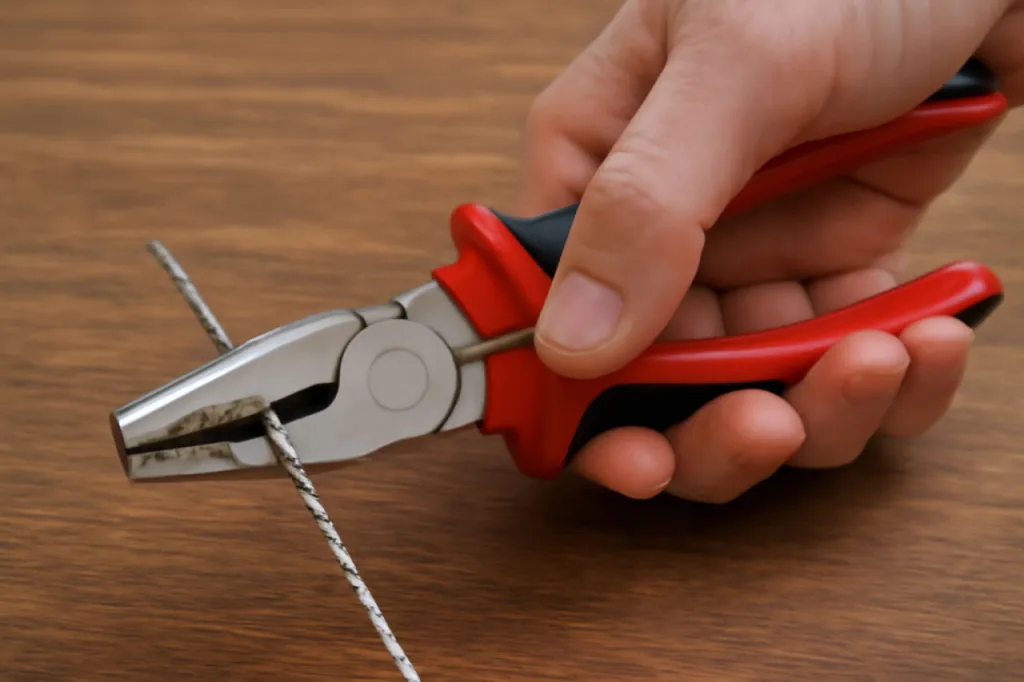
Combination pliers are one of the most versatile tools that every DIY enthusiast and professional in a range of industries should own. Whether you are cutting wire, gripping objects or tightening nuts and bolts, combination pliers are a tool you need to get many jobs done. But with so many types and brands on the market, how do you choose the right combination pliers for DIY or professional work? This article gives a complete guide to choosing combination pliers that fit your needs.
Contents
What Are Combination Pliers?
Combination pliers combine several functions in one design. They typically have jaws that can cut wire, grip objects, and turn or tighten bolts and nuts. The main advantage of combination pliers is that they can handle many tasks without switching tools. That makes them ideal for work that calls for flexibility and efficiency.
Main Functions of Combination Pliers
Before choosing combination pliers, it is important to understand their main functions, which can help you with many kinds of work, both DIY projects and professional jobs:
-
Cutting Wire
One of the main functions of combination pliers is cutting wire. The tips of the pliers are designed with a sharp cutting blade, so you can cut wire easily and precisely. -
Gripping Objects
Combination pliers have jaws that can clamp down, which is very useful for holding or gripping objects in the right position during work. This matters for tasks such as fitting small components or holding a pipe while it is installed. -
Turning and Tightening Nuts or Bolts
Many combination pliers also have jaws that can be used to turn nuts or bolts. This is very useful in home repair, vehicle work or even construction. -
Use in the Automotive and Construction Industries
In professional work such as automotive or construction, combination pliers are often used for many tasks, from engine repair to installing structural components. Their flexibility makes them a very important tool.
Steps to Choosing the Right Combination Pliers
To make sure you choose combination pliers that fit your needs, here are some factors to consider:
-
Determine the Right Size
The size of combination pliers greatly affects comfort and ease of use. Smaller pliers suit light work, such as electronics repair or DIY at home, while larger pliers suit heavy work, such as pipe installation or construction. Choose the size that best fits the type of work you do.
-
Check the Material
Combination pliers are usually made of carbon steel or stainless steel. Carbon steel is harder and lasts longer but can rust when exposed to moisture, while stainless steel resists rust better. Choose a material that suits your work environment, especially if the tool will be used outdoors or in damp areas.
-
Check the Handle Quality
An ergonomic handle is very important for comfort and control during use. A comfortable handle reduces hand fatigue, especially on work that takes more force. Look for combination pliers with rubber or plastic handles that are not slippery, so they give a good grip. Handles coated with anti-slip material are also very useful for work in wet or oily environments.
-
Look at the Jaw Design
The jaws of combination pliers must be strong enough to grip and turn objects well. Make sure the jaws are sharp and sturdy enough to cut wire or cable precisely. In addition, some combination pliers have jaws that adjust to different nut or bolt sizes, which adds flexibility in using the tool.
-
Choose One With Extra Functions
Some combination pliers come with extra features, such as a sharper wire cutter or larger jaws for holding bigger objects. Make sure the pliers you choose have functions that match the tasks you do often. Choose combination pliers with extra features that make your work easier, whether for DIY projects or professional work.
-
Consider Price and Brand
Price is an important factor, but do not choose on low price alone. Pick combination pliers that balance price and quality. Well-known brands usually offer tools that last longer and are of higher quality. Also make sure the tool comes with a warranty to confirm its quality.
DIY or Professional Work: Choose What Fits
-
For DIY at Home:
If you often do DIY projects at home, such as repairing furniture, installing household appliances or making crafts, choose small to medium combination pliers. Make sure they have a comfortable handle, are sharp enough to cut wire and can grip objects well. -
For Professional Work in Construction or Automotive:
If you work in the construction or automotive industry, choose combination pliers with a stronger, more durable design. Larger pliers made of stainless steel or carbon steel suit heavy tasks such as installing pipes or turning large bolts. Extra features such as adjustable jaws are also very useful.
Conclusion
Choosing the right combination pliers is essential for keeping your work smooth and efficient. By weighing factors such as size, material, handle and jaw design, you can choose combination pliers that fit your DIY or professional needs. With the right tool, every task is easier to finish, whether it is a small repair at home or a big job in the workshop or field.
Investing in quality combination pliers will not only improve your efficiency but also give you the comfort and durability needed for many kinds of work. So be sure to choose the right combination pliers for the best results!