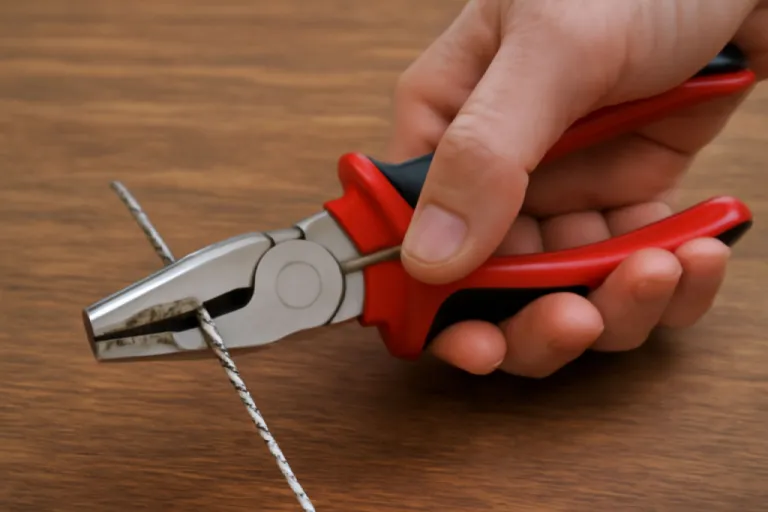
Best Active Speakers: Most Common Problems and Their Causes
Even the best active speakers can go raspy, hum or die completely. Learn the most common active speaker problems, what causes them and how to prevent them.

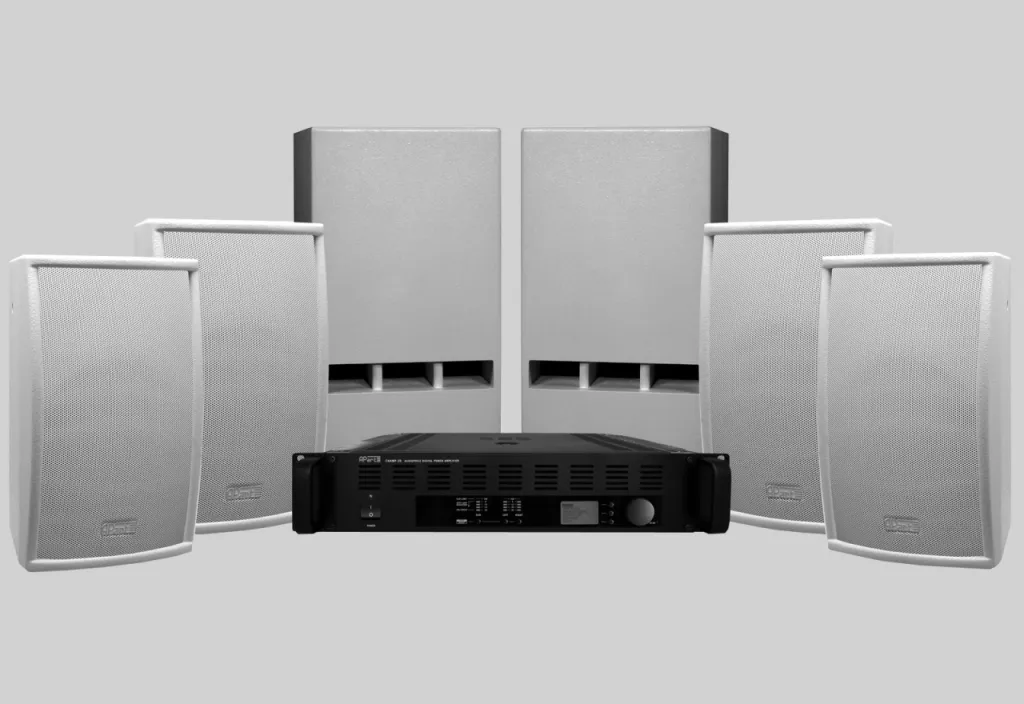
Buying the best active speakers to get strong audio quality is something many people do. Unfortunately, some do not realize that a speaker is an electronic device fairly prone to problems when it is not looked after properly. The most common problems and their causes are as follows.

The Most Common Speaker Problems
1. Raspy Speaker Sound
Raspy audio output often shows up in active speakers. The usual cause is running the speaker at full power, even beyond its capacity. As a result, the sound it produces breaks up. The speaker and the power amplifier are the components most often affected by running at full power.
The sound then sits in the midrange to high treble tones, and it is unpleasant to listen to. If you use a high-quality speaker, this raspy sound may not appear as quickly. Even so, it is best not to run a speaker at full power for long, to keep problems like this to a minimum.
2. Humming Speaker Sound
Besides a raspy sound, the best active speakers can also produce a humming audio output. Several things can cause this: a dried-out power supply electrolytic capacitor (elco), loose solder joints and broken capacitor legs. A transformer placed too close to the amplifier can cause the same problem.
To deal with it, check the condition of the speaker regularly, even if you rarely use it. This makes sure every component is in good shape. Then make sure you position the speaker correctly when it is in use.
3. Speaker Completely Dead
The most serious fault in an active speaker is when the device shows no response at all when switched on, in other words, it is completely dead. Even the indicator light does not come on. Don't panic right away. The problem may lie in the speaker's power supply.
The components to check are the 220V input cable, the switch, the transformer, the diodes and the capacitors. You will also need to take DC and AC meter readings to be sure. If you do not have a tester, you can simply replace parts so the problem is dealt with quickly, especially the switch and the cable.
An active speaker's switch can fail over time, for example because the voltage is too high or because of overheating. A faulty switch is fairly easy to identify, because a damaged one usually changes color. The same goes for the cable: you can see on the best active speakers whether the cable is broken.
Using a quality active speaker is a way to keep the device from breaking easily. But the lifespan of a sound system also depends heavily on how you look after it. So take good care of it, keep it clean and check its components. And choose a quality speaker such as those available at Bliaudio.