
EV Charging Infrastructure in Indonesia: Toward a Greener Future
EV charging infrastructure in Indonesia is expanding. See where stations are growing, what government and private plans involve, and the latest technology.

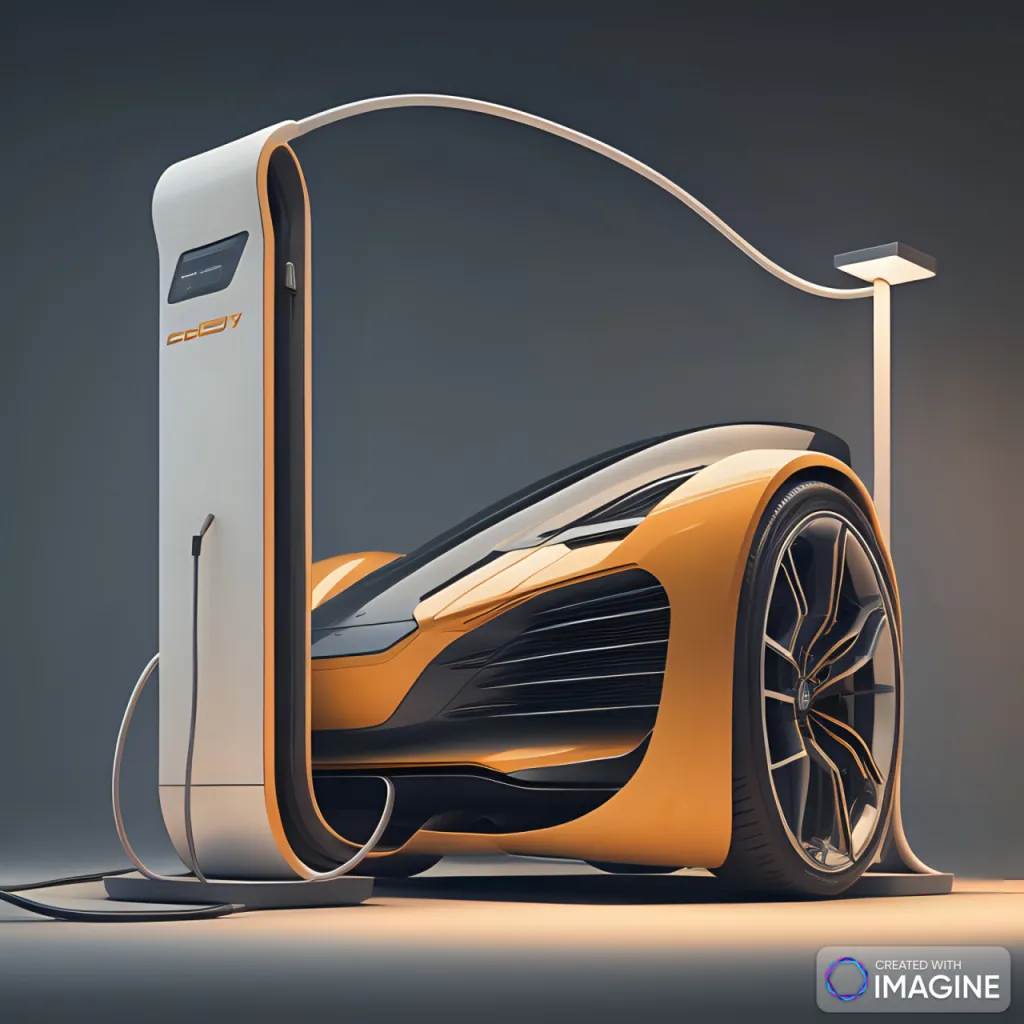
Electric vehicles are becoming the top choice as transportation grows more environmentally conscious, and charging infrastructure plays a key role in making their adoption sustainable. This article looks at how electric vehicle charging infrastructure is developing in Indonesia, evaluates the plans of the government and the private sector to build charging stations, highlights the latest innovations and technology, and discusses the positive impact on the environment and the ease of access for electric vehicle users.
Contents
Development of Electric Vehicle Charging Infrastructure in Indonesia
Electric vehicle charging infrastructure in Indonesia has grown significantly as the adoption of electric vehicles has increased. Charging stations have spread to many locations, including offices, shopping centers and other public areas. There is now a strong push to build charging stations along toll roads and at rest areas to support long-distance travel.
Despite this growth, there are still challenges in providing adequate charging infrastructure across the country. Some regions still have limited coverage, and the government and the private sector need to work together to extend the reach of this infrastructure.
Evaluating Government and Private Sector Plans to Build Charging Stations
The Indonesian government has set ambitious plans to expand electric vehicle charging infrastructure. The measures include financial support, tax exemptions and collaboration with the private sector to build more efficient charging stations. The plans are in line with the government's vision of reducing greenhouse gas emissions and promoting sustainable vehicles.
While the government plays an important role, the private sector is also making a major contribution to building charging infrastructure. Many energy and automotive companies have invested in charging station projects, seeing the large potential for market growth as electric vehicle adoption rises.
Latest Innovations and Technology in Charging Station Development
Technological progress plays a crucial role in developing electric vehicle charging stations. Recent innovations include placing energy storage batteries at charging stations to handle demand surges and minimize strain on the power grid. Fast-charging technology is also getting more attention, allowing electric vehicle users to charge more efficiently and quickly.
Smart energy management systems are another trend, letting charging stations adapt to local energy needs and make the best use of renewable resources. This creates a charging environment that is eco-friendly and sustainable.
Positive Impact on the Environment and Ease of Access for Electric Vehicle Users
Growing charging infrastructure has a significant positive impact on the environment. As more charging stations run on renewable resources, the contribution to reducing carbon emissions becomes more noticeable. Electric vehicle users can feel confident that every charge contributes to a cleaner, more sustainable environment.
In addition, ease of access is a key factor in increasing electric vehicle adoption. With more widespread charging infrastructure, electric vehicle users can travel more comfortably and without worrying about running out of power. It also gives people a positive push to switch to electric vehicles and enjoy the environmental benefits that result.